
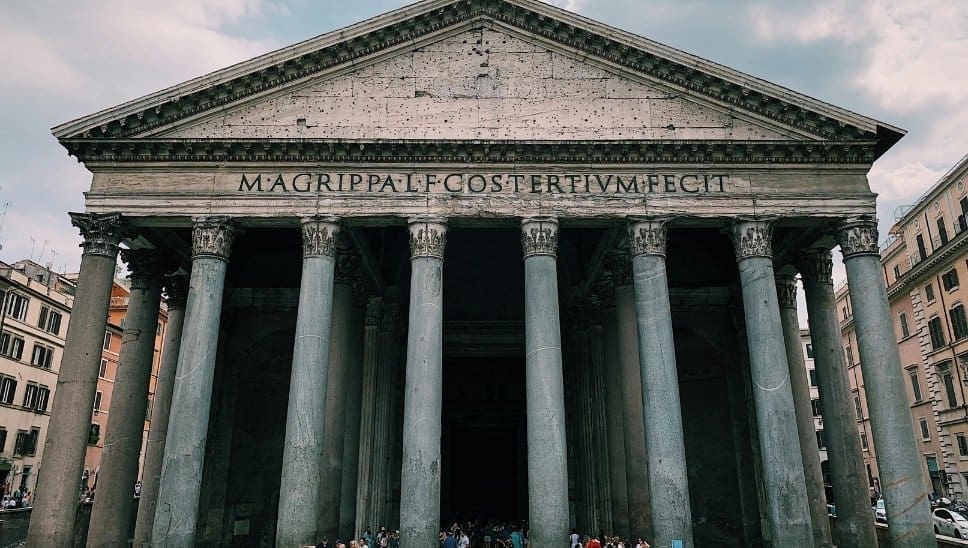
Pantheon: More Than Just Ancient Stones
The Pantheon in Rome. Just the name conjures images of grandeur, architectural genius, and centuries of history etched into its very fabric. Standing beneath its awe-inspiring dome, gazing at the oculus that pierces the heavens, it’s easy to feel a connection to the countless souls who have stood in that very spot before you. But the Pantheon is more than just a remarkably preserved ancient temple turned church. It’s a vessel for myths and enduring legends that add a layer of mystique to its already impressive presence. Join us as we delve into the tales that whisper through the marble columns of the Pantheon.
The Mythical Beginnings of the Pantheon: Legends of its Foundation
Even the origins are shrouded in a touch of legendary haze. Historical records point to its reconstruction by Emperor Hadrian around 126 AD. The site itself boasts a much older history. Marcus Agrippa is believed to have erected the first temple there in 27-25 BC. But before the bricks and mortar, folklore suggests a more divine intervention in the Pantheon‘s genesis. Some legends whisper that the gods themselves chose that very spot. A place where mortals could more easily connect with the celestial realm. These early tales, though difficult to verify, underscore the profound sense of reverence the Pantheon has always inspired. The idea of a divinely ordained location adds a layer of mythical significance to the Pantheon‘s already powerful aura.
The Devil's Hole? Legends Surrounding the Pantheon's Oculus
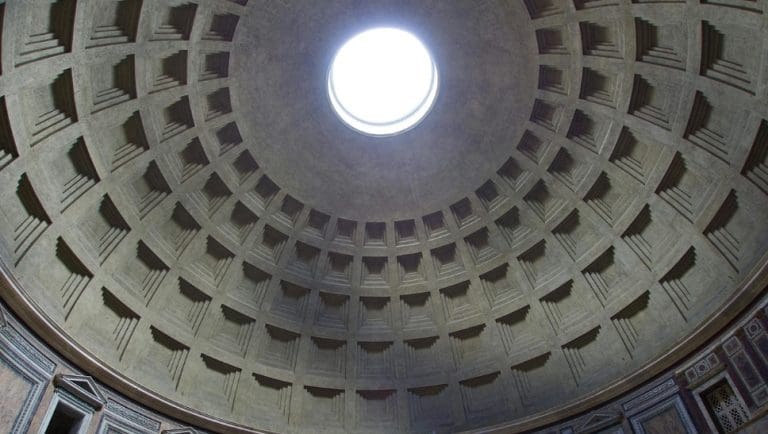
Perhaps the most striking feature of the Pantheon is its magnificent oculus, the 9-meter (30-foot) circular opening at the apex of its dome. This architectural marvel, the sole source of natural light, has naturally attracted its fair share of legends. One persistent tale claims that the oculus exists because when the Pantheon was consecrated as a church, the devil fled the pagan temple, bursting through the roof and leaving behind this permanent hole. This legend, born from the transition from pagan to Christian use, reflects the anxieties and beliefs of the time. Of course the dramatic imagery of the devil’s forceful exit adds a touch of the supernatural to the Pantheon.
Raphael's Resting Place: Stories and Sentiments within the Pantheon
The Pantheon is not just a monument. It is also the final resting place of several prominent figures, most notably the Renaissance master Raphael. His tomb, located within the Pantheon, has become a site of pilgrimage for art lovers. And a source of poignant stories. Legend has it that Raphael specifically requested to be buried in the Pantheon, feeling a deep connection to its artistic and historical significance. His presence within the monument adds a layer of artistic legacy to the already rich tapestry of its history. The stories surrounding Raphael’s burial highlight the enduring cultural importance of the Pantheon throughout the centuries.
The Unbreakable Dome? Legends of the Construction
The engineering feat of its dome, the largest unreinforced concrete dome in the world, has baffled and inspired for centuries. Naturally, such an audacious structure has given rise to legends about its construction. Some tales suggest that the Romans possessed secret knowledge or even divine assistance in creating this seemingly impossible feat of engineering. One legend claims that the earth used in the concrete mix was brought from various parts of the Roman Empire. Each part represented a different deity, lending the dome its strength and resilience. Scientific analysis reveals the ingenious use of progressively lighter aggregates as the dome rises. While these legends underscore the sense of wonder and awe the Pantheon has always evoked. The enduring strength of the Pantheon‘s dome continues to fuel these fascinating construction legends.
Rain Inside the Pantheon: Debunking Myths and Embracing Wonder
The open oculus of the Pantheon means that, yes, rain does fall inside. This simple fact has also led to various interpretations and even legends. One common misconception is that the oculus never allows rain to enter, or that some unseen force deflects it. The upward current of warm air helps evaporate lighter rainfall. But heavy downpours still bring water onto the Pantheon’s marble floor, which drains it. The persistence of the myth of a rain-free Pantheon speaks to the desire to imbue this extraordinary structure with even more miraculous qualities. However, the reality of the rain, while less fantastical, adds a tangible connection to the elements and the passage of time within the Pantheon.
The Pantheon as a Church: Legends of its Peaceful Transition
The Pantheon survived through the centuries. Partly because it was converted into the Christian church Santa Maria ad Martyres in the 7th century AD. Legends surround this relatively peaceful transition, with some stories suggesting divine intervention protected the Pantheon from the widespread destruction of pagan temples. One account claims that when the order came to dismantle it, an angel appeared, warning against such sacrilege. While historical motivations were likely more pragmatic, these legends highlight the respect and awe the Pantheon commanded even as religious landscapes shifted. The stories of its preservation contribute to the Pantheon‘s enduring legacy as a symbol of Rome’s resilience and historical continuity.
Whispers in the Marble: Personal Legends and Encounters
Beyond the grand narratives, every visitor to the Pantheon likely carries away their own personal legends and encounters. The play of light through the oculus, the cool touch of the ancient marble, the sheer scale of the space – these elements create a deeply personal and often spiritual experience. Many visitors report feeling a sense of profound connection to history, art, and something larger than themselves within the Pantheon’s walls. These individual moments, though not grand legends in the traditional sense, contribute to the ongoing story of the Pantheon, a place where personal experiences intertwine with centuries of collective history and folklore. The Pantheon continues to inspire personal legends with each new visitor.
An Enduring Allure: Where History and Legend Meet
The Pantheon stands as a testament to the ingenuity of Roman engineering and the enduring power of human creativity. But it is the tapestry of stories and legends woven into its history that truly elevates it beyond a mere architectural marvel. From mythical origins to tales of divine intervention, devilish escapes, and artistic legacies, the Pantheon continues to captivate our imaginations. So, the next time you find yourself standing beneath that magnificent dome, take a moment to not only admire the stones but also to listen for the whispers of the legends that make the Pantheon a truly unforgettable destination. The Pantheon is a place where history and legend seamlessly intertwine, creating an experience that resonates long after you’ve left its hallowed halls.
0 Comment