Of Etruscan origin, ancient Galatia was conquered by the Samnites and later became a Roman colony. Following the fall of the Roman Empire, it experienced alternating fortunes: it was destroyed, became a feudal state, and saw various foreign dominations at its helm. Like many Italian cities, its population was decimated by the bubonic plague, and only in 1734, with Charles of Bourbon and the Kingdom of Naples, did it experience a period of splendor.
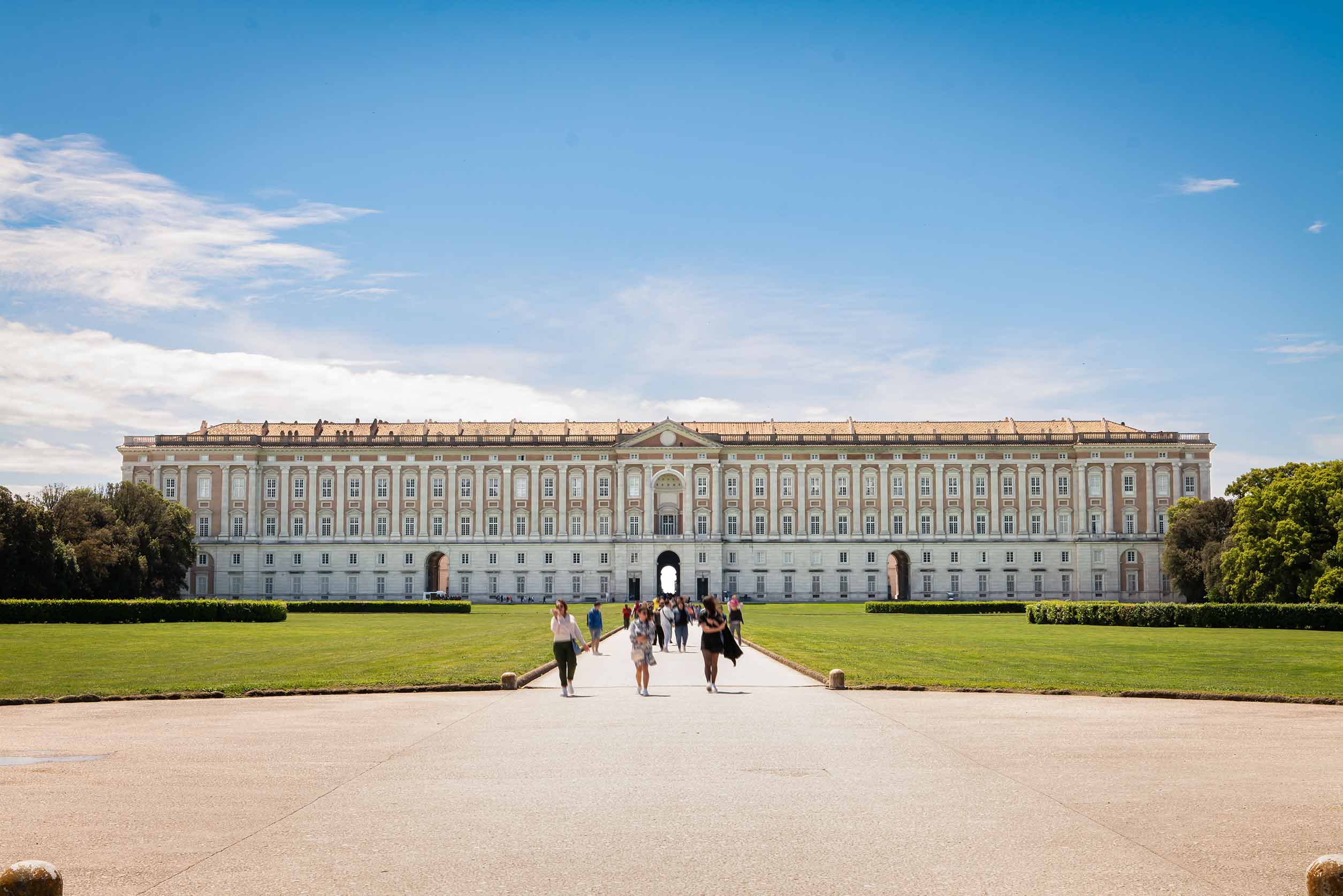
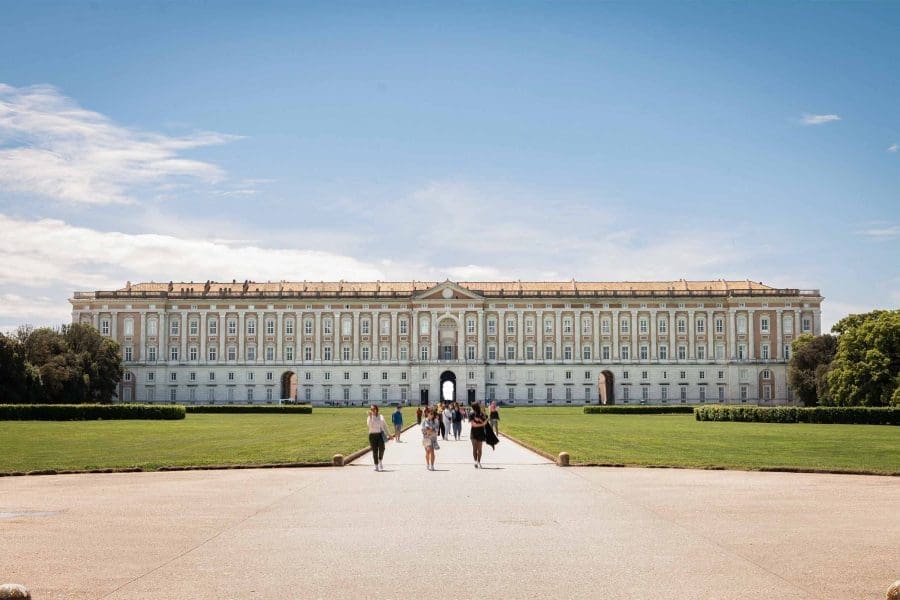
With the idea of making Caserta a second capital of the Kingdom of Naples, King Charles of Bourbon commissioned the architect Luigi Vanvitelli to construct a royal palace that would suitably represent the power and prestige of his kingdom.
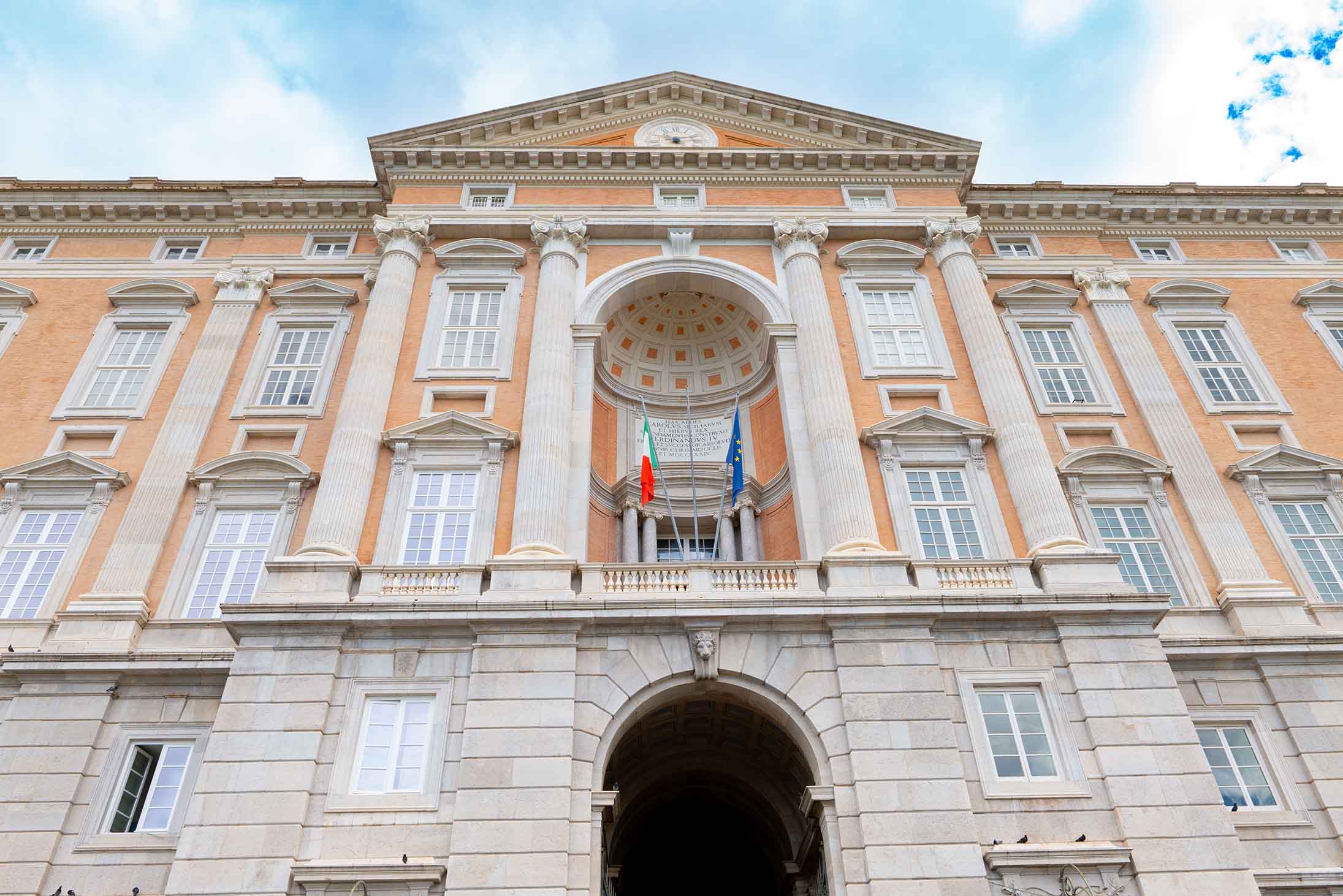
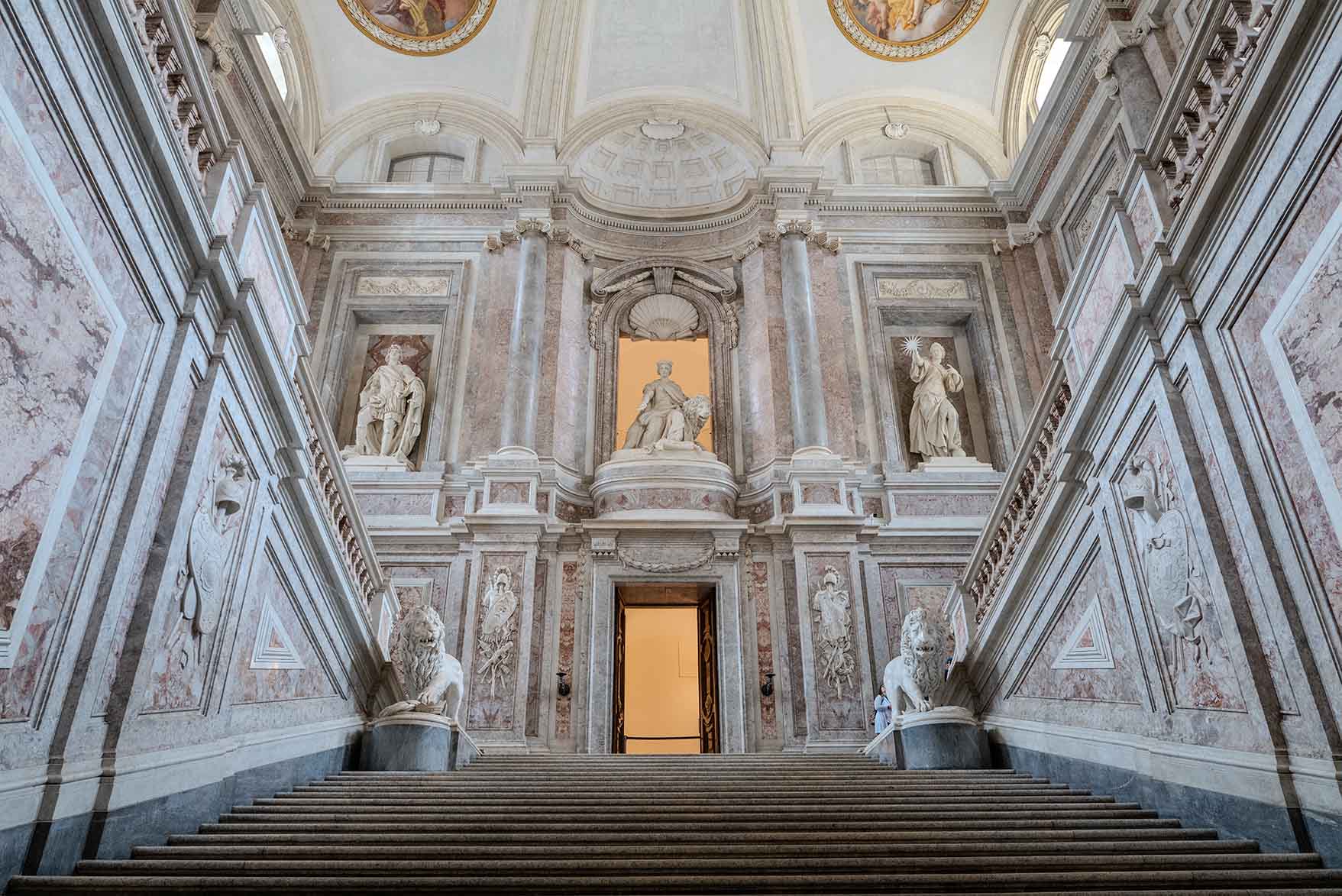
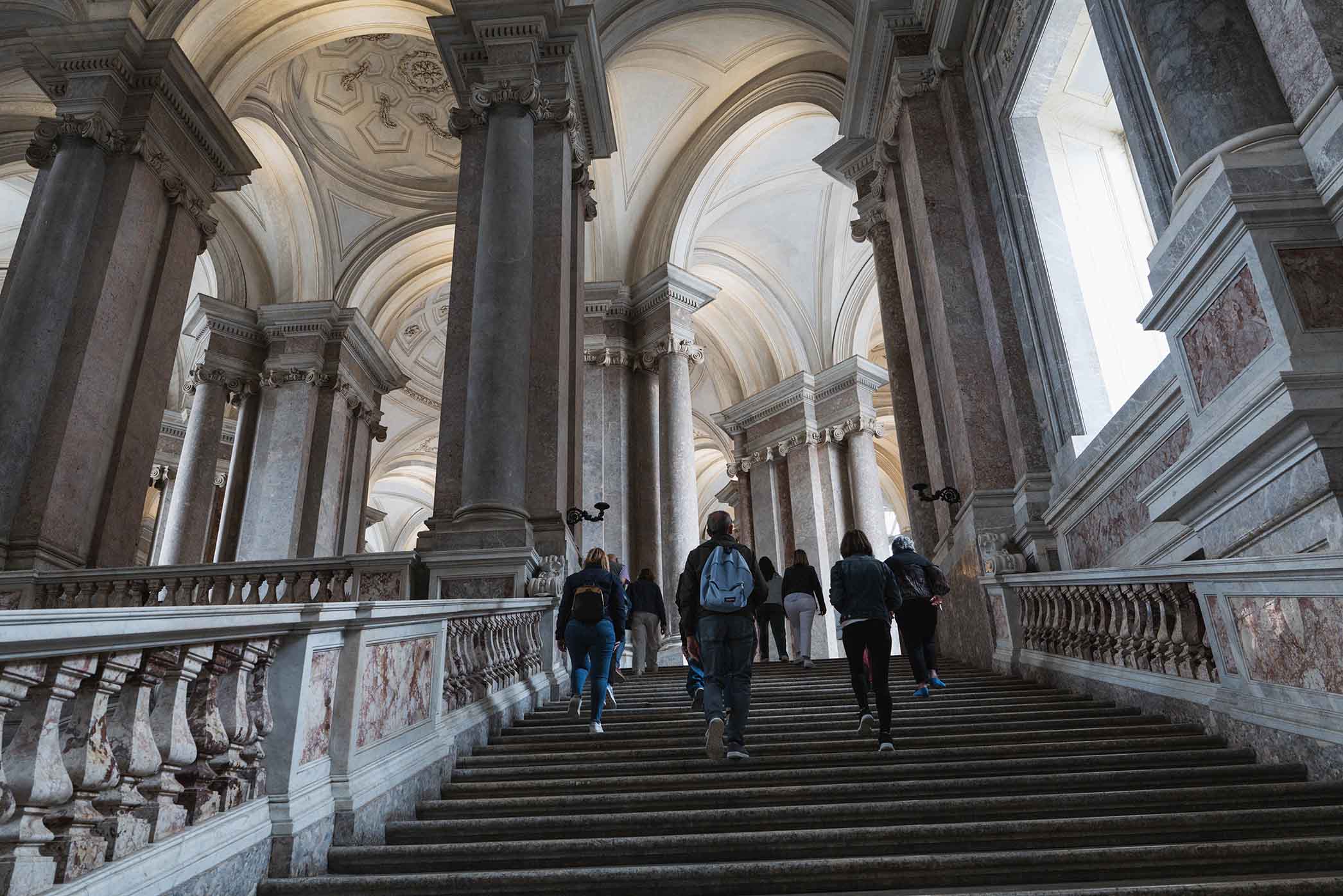
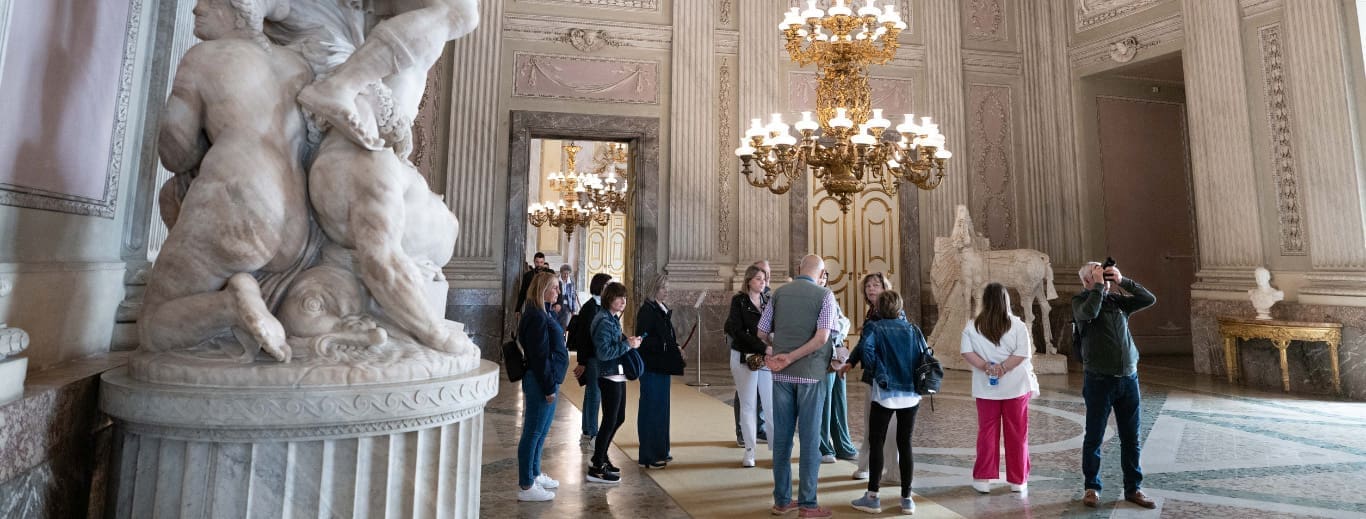
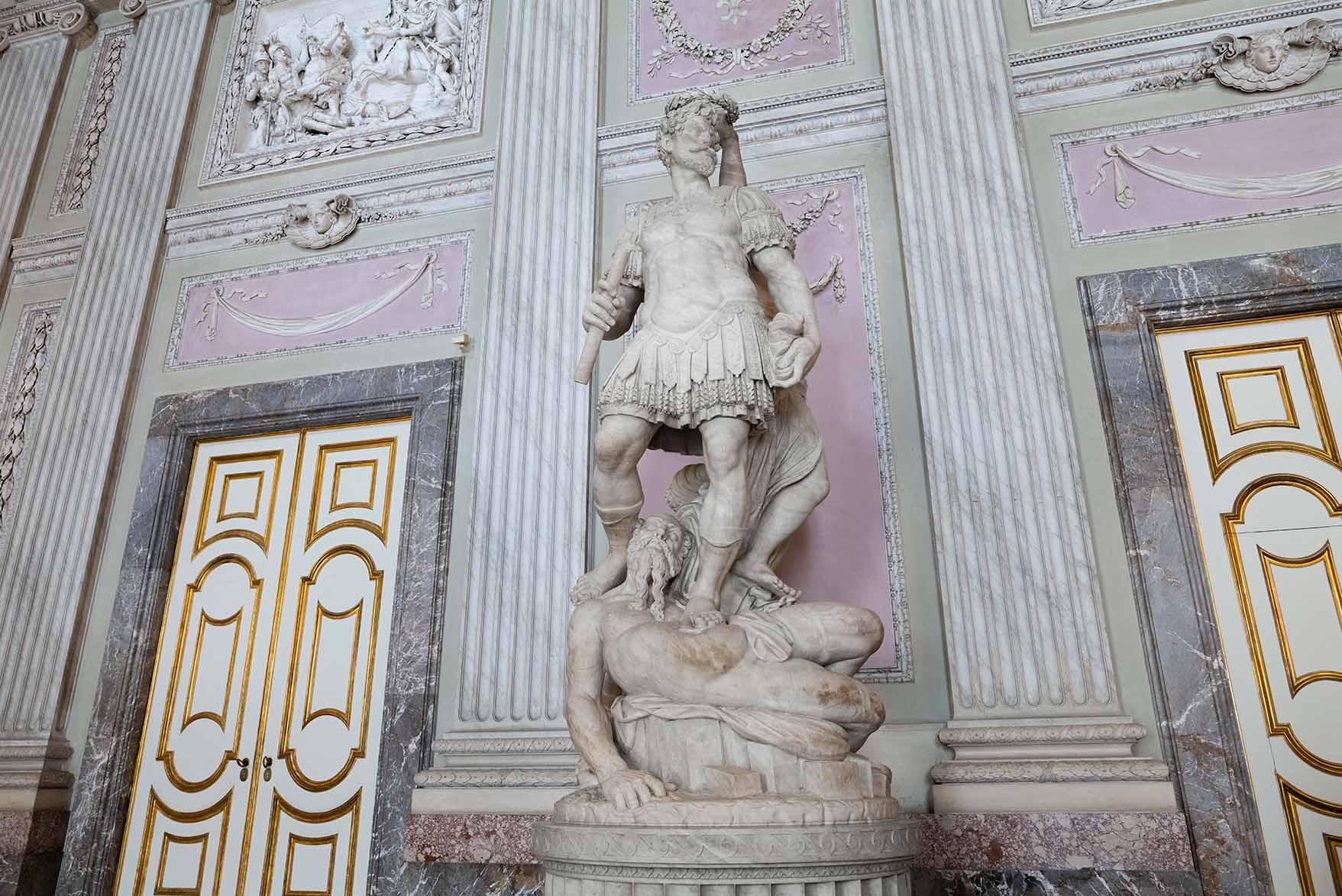
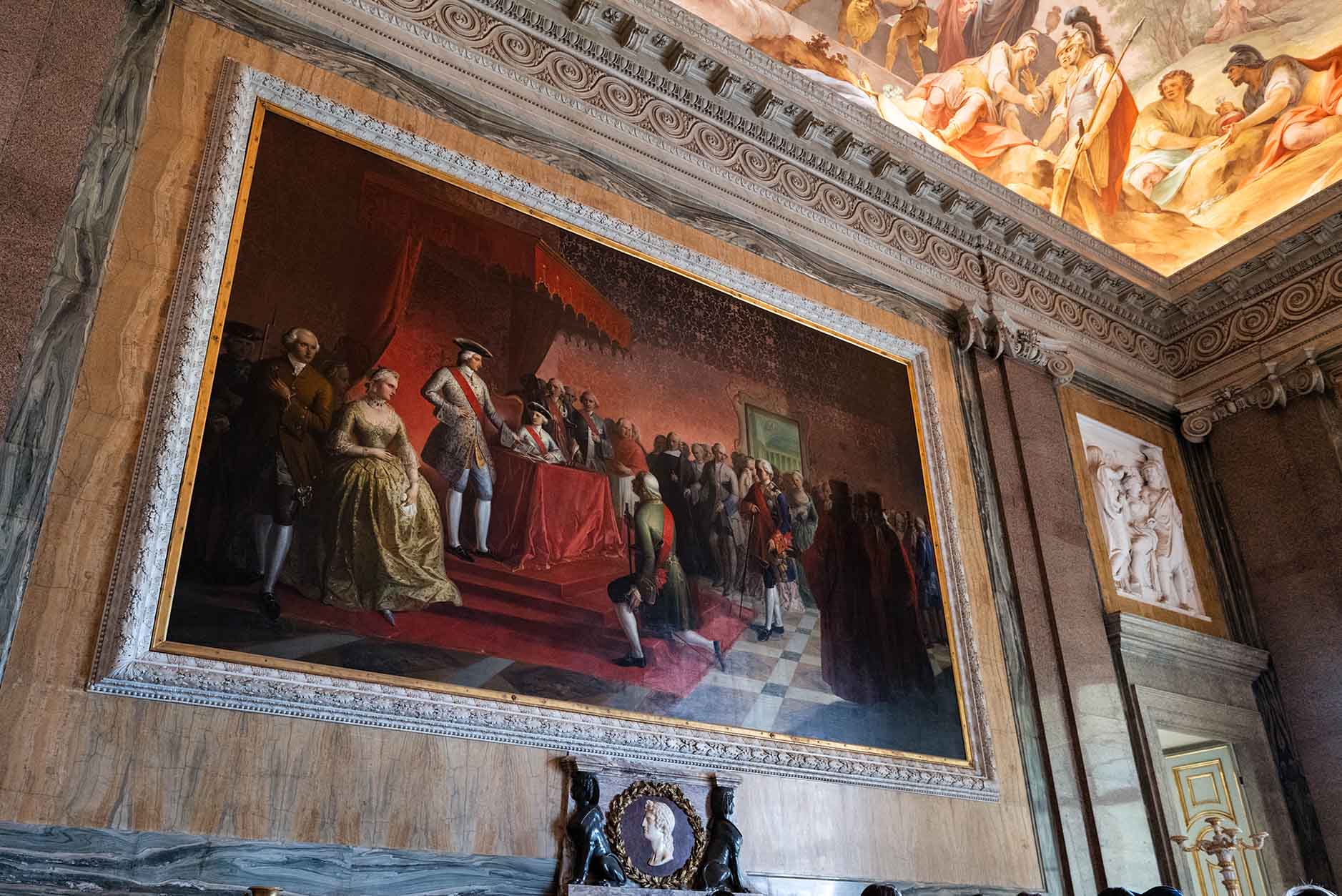
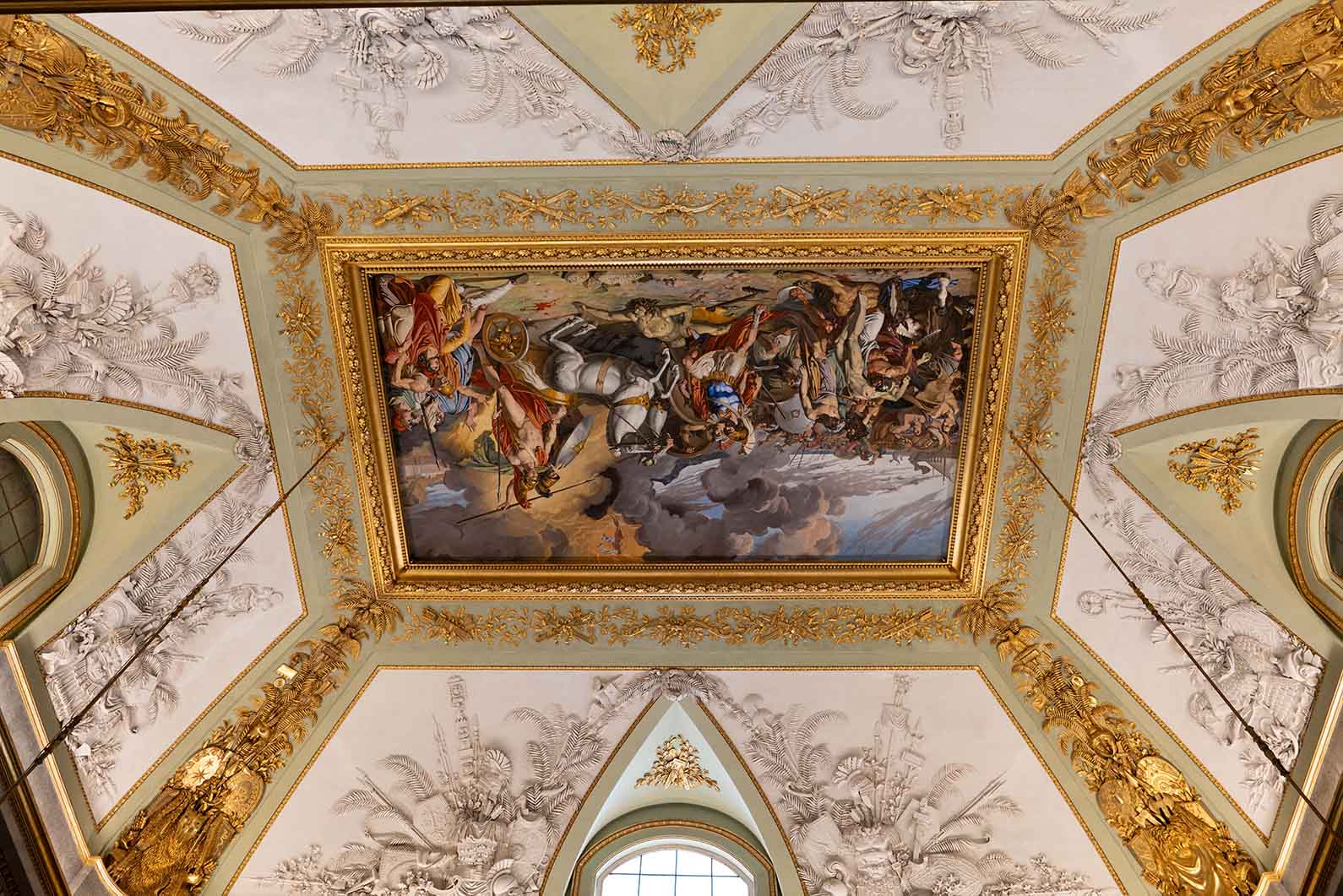
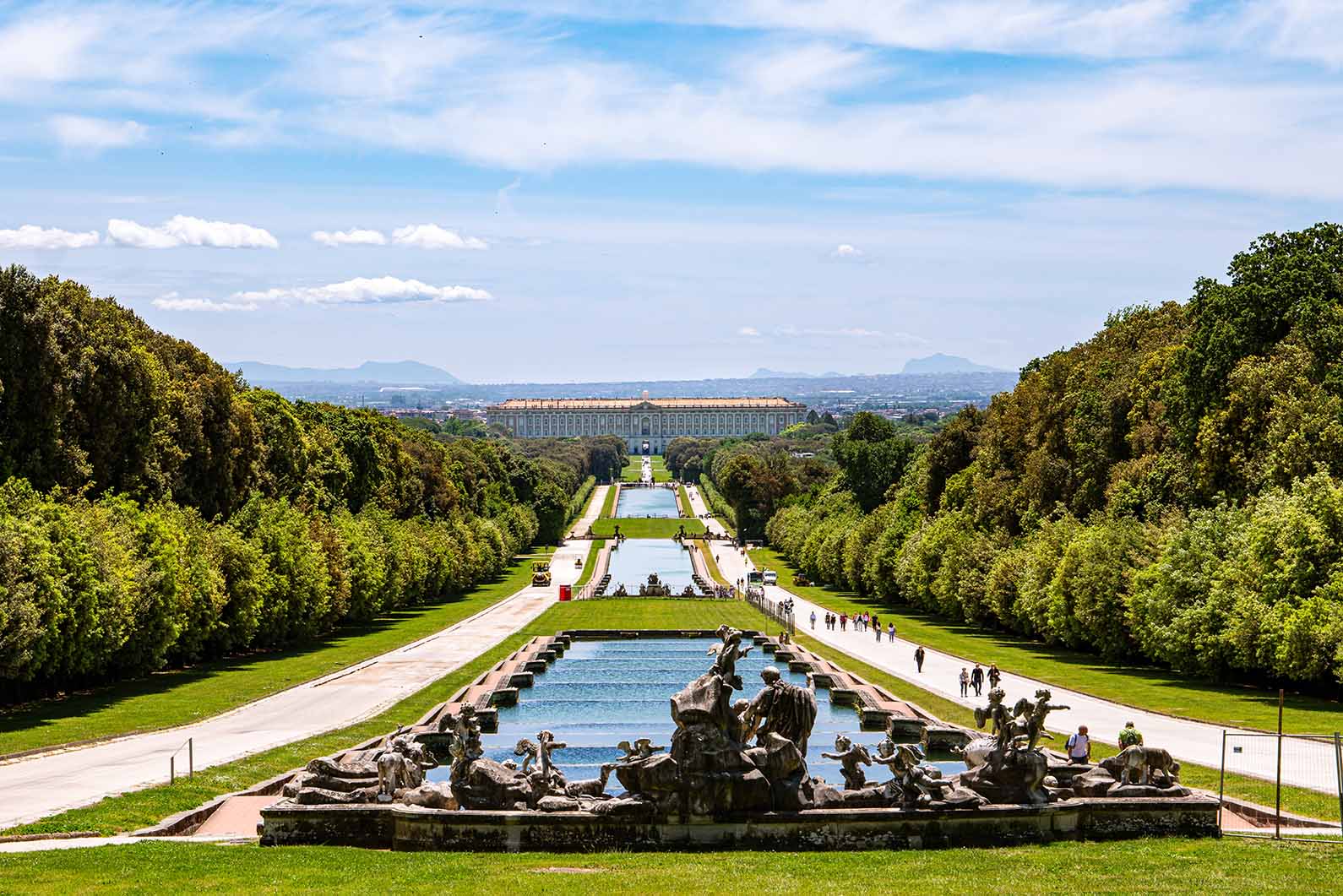
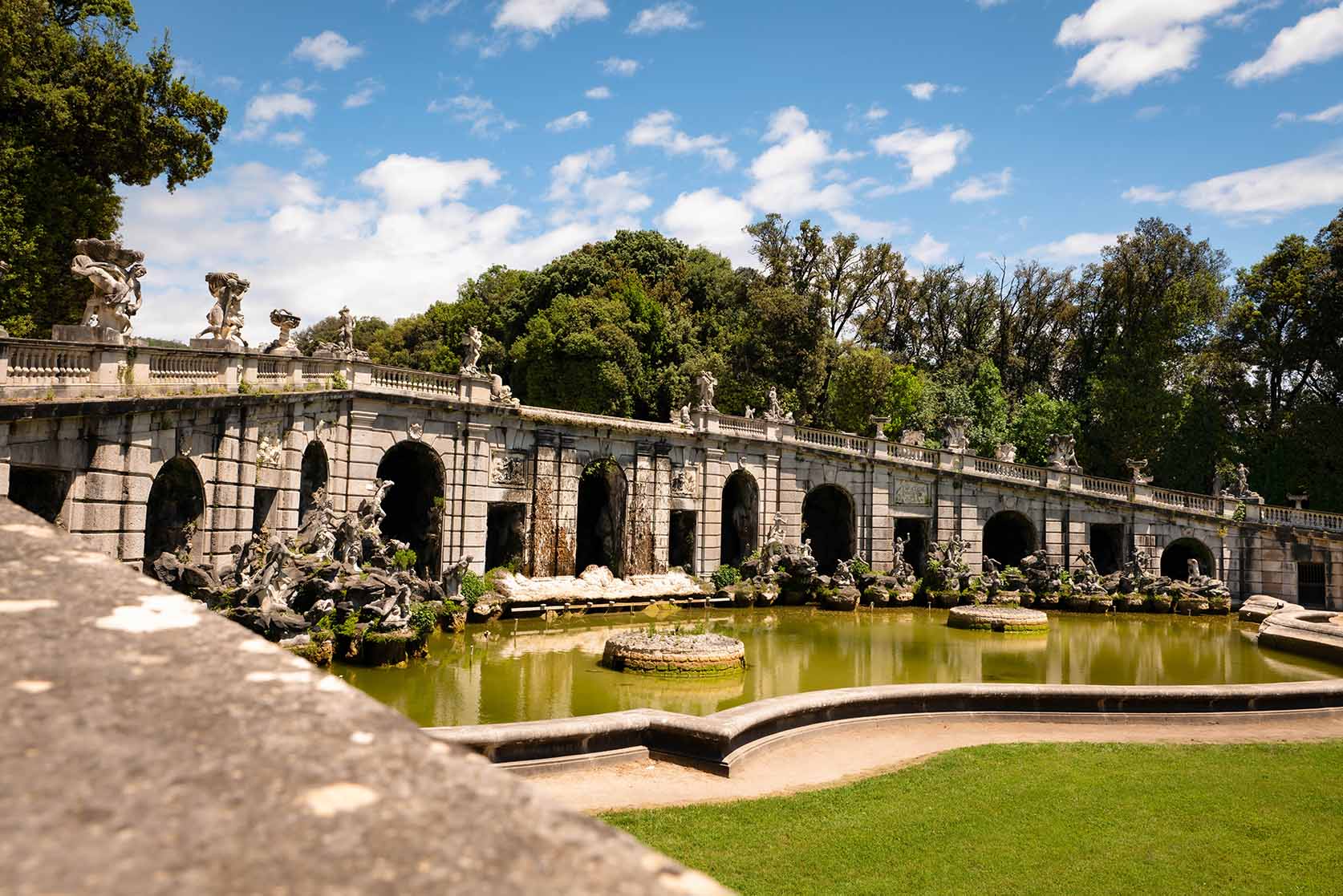
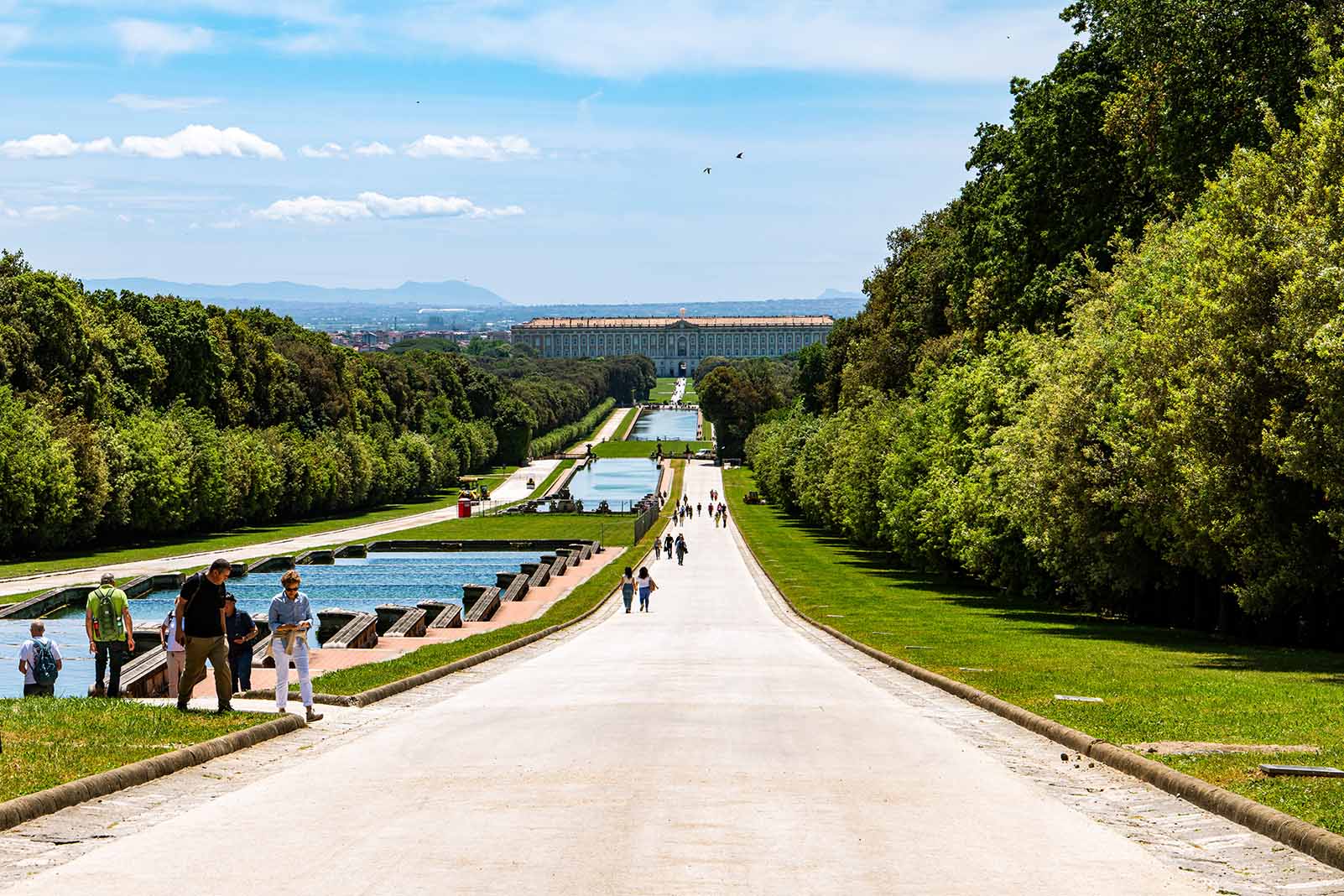
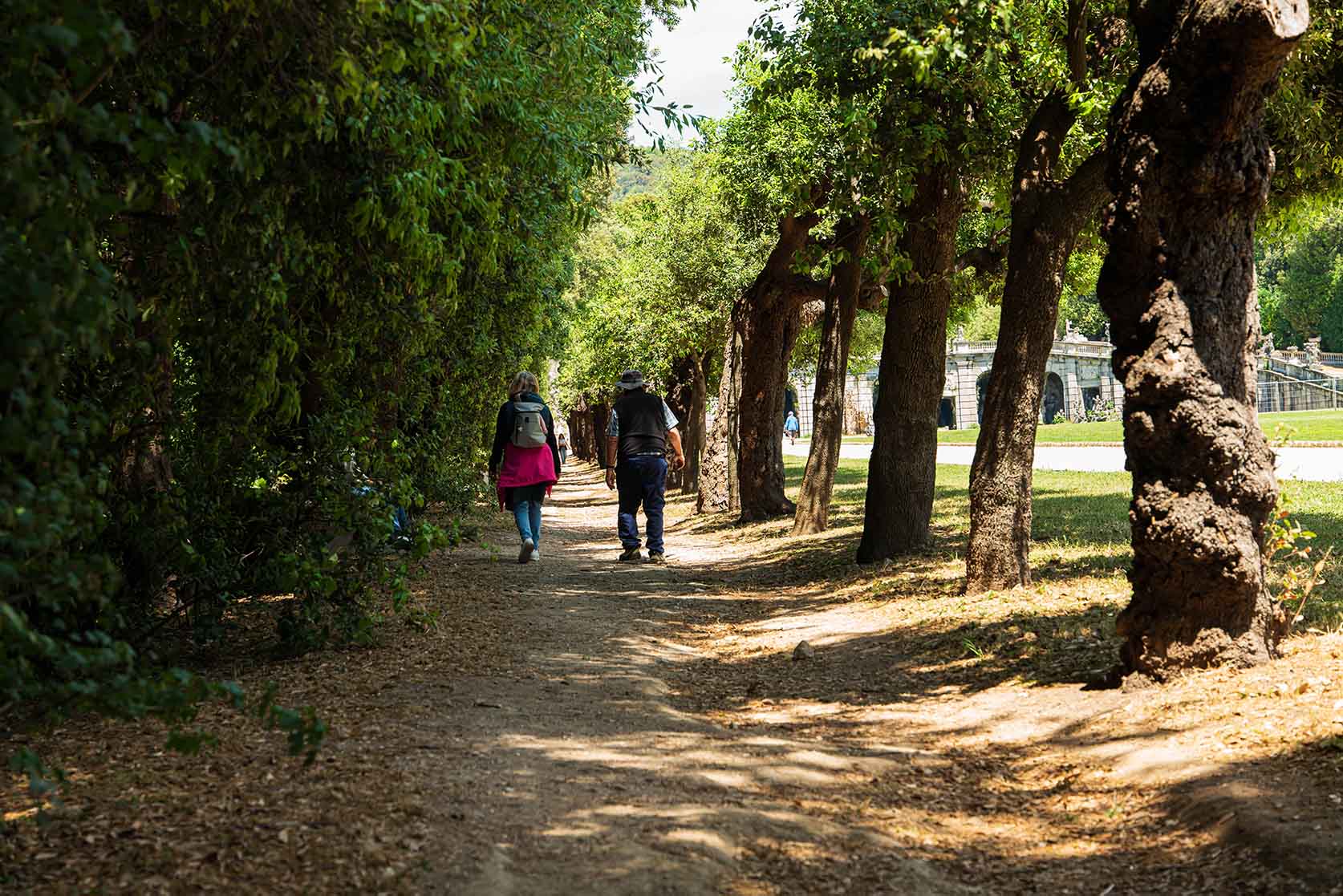
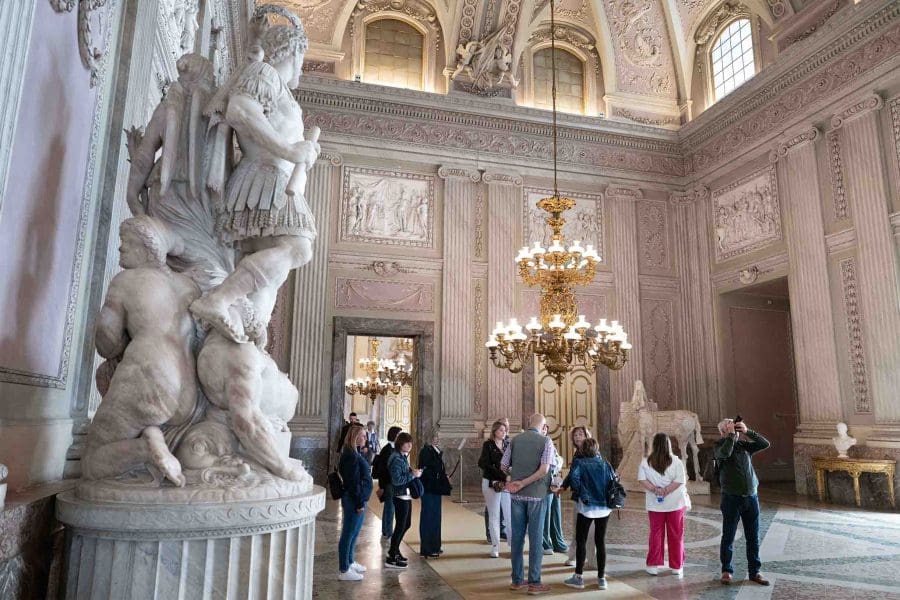
The result was the Royal Palace of Caserta, one of the largest royal residences in the world. A UNESCO World Heritage site since 1997, it is an extraordinary example of Baroque and Neoclassical architecture. With over 1,200 rooms, an elegant staircase, lavish furnishings, frescoes, statues, incredible gardens, and the scenic “Waterway,” the Royal Palace of Caserta is a spectacle of grandeur, a unique experience of royal splendor.