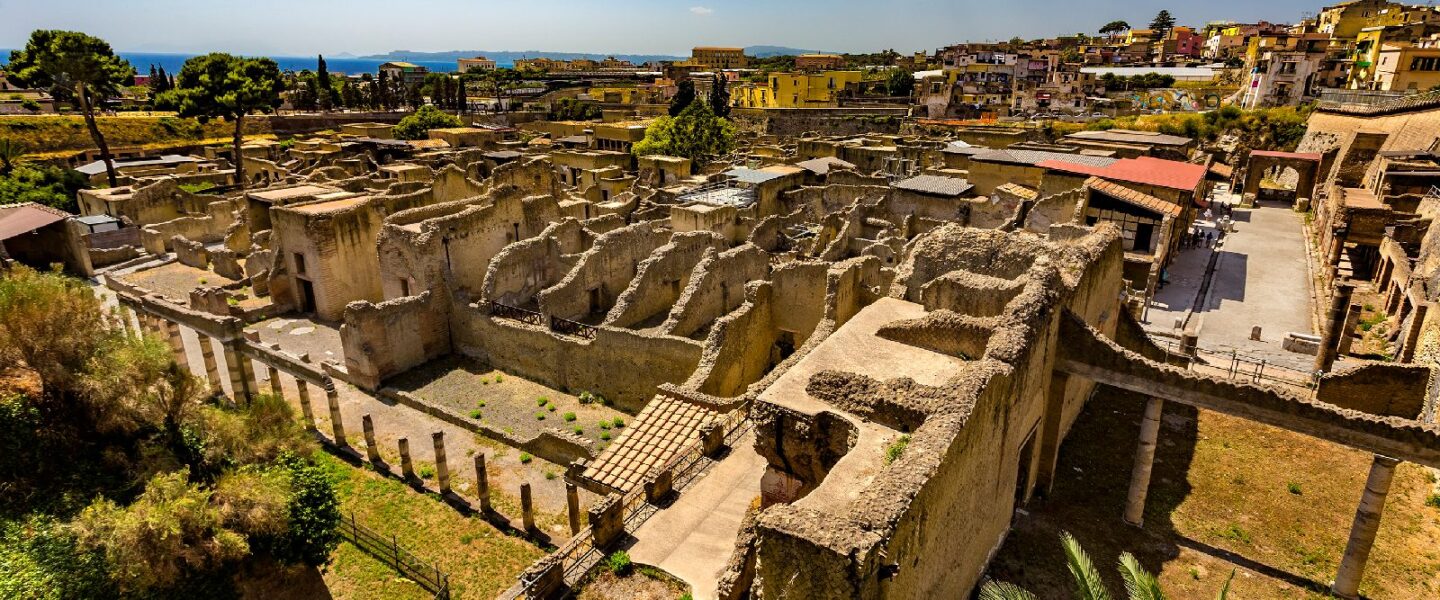
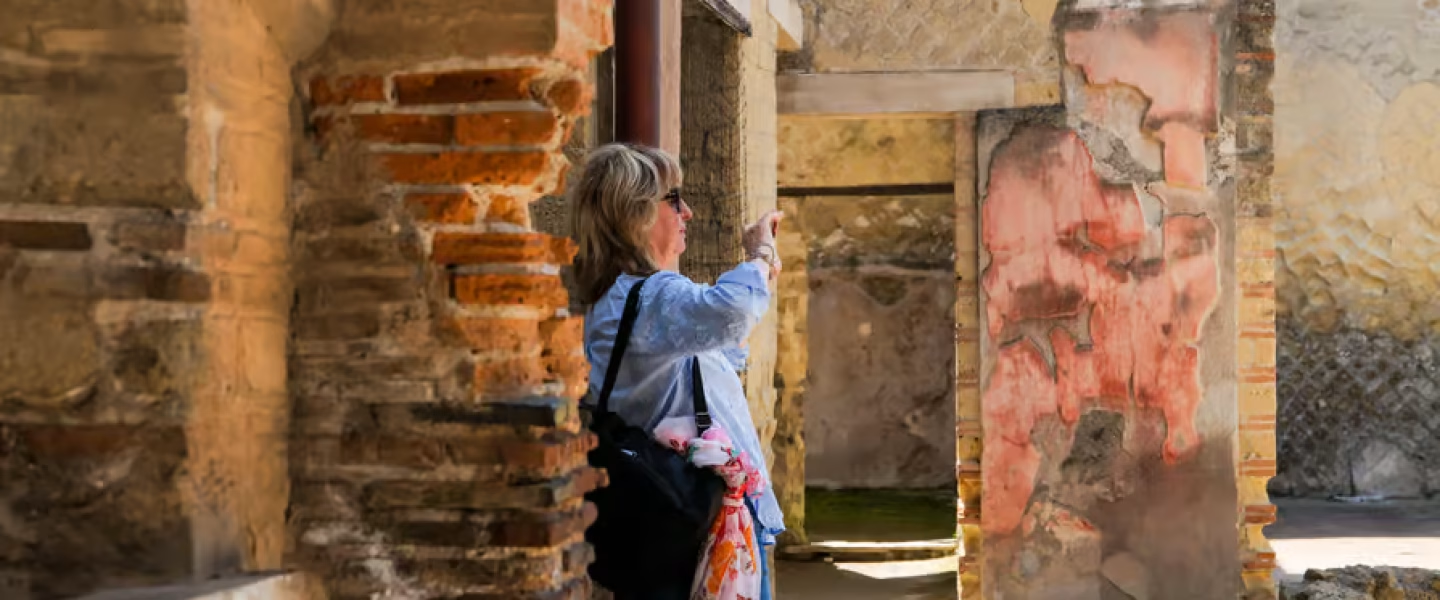
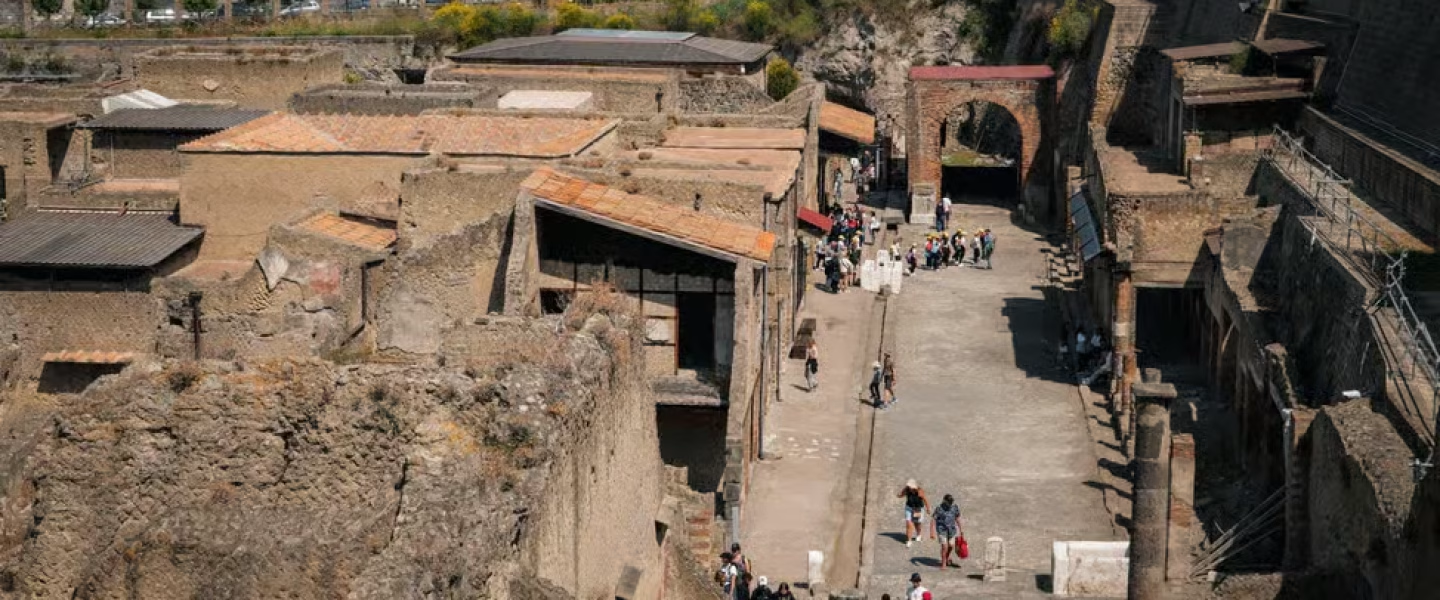
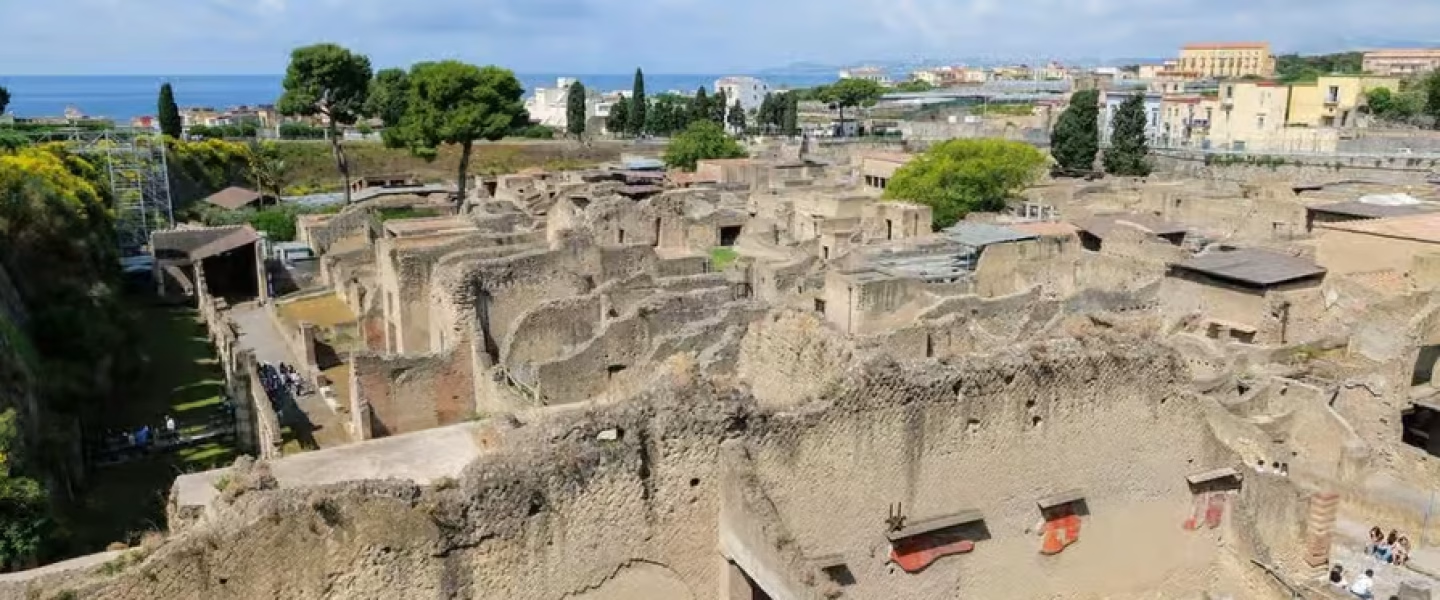
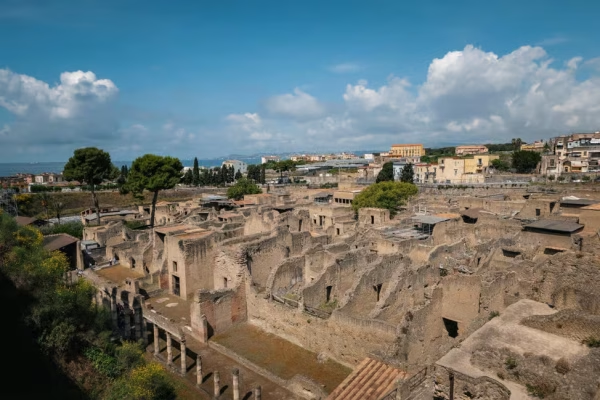
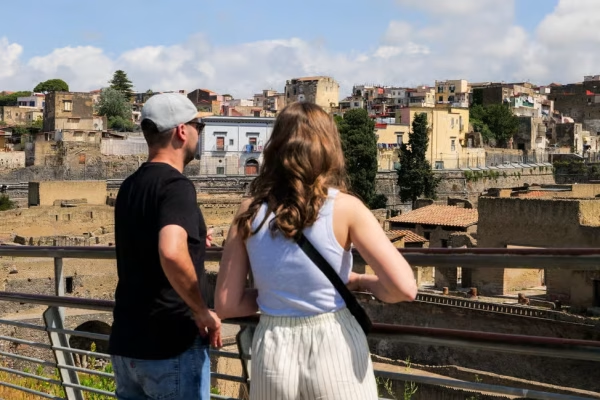
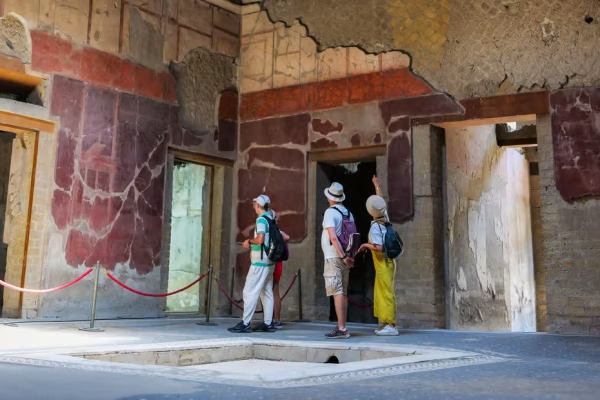
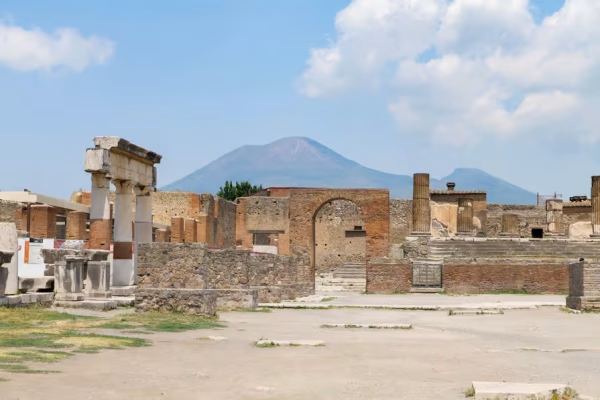
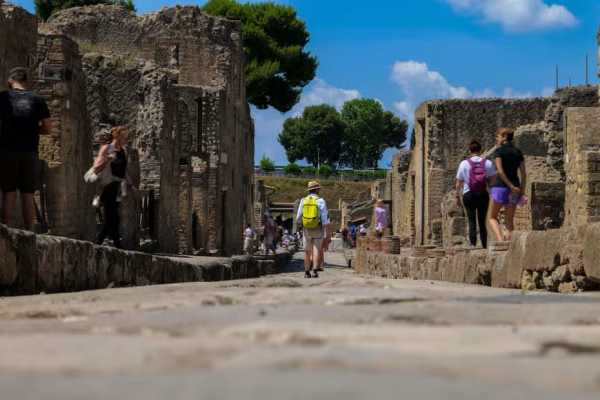
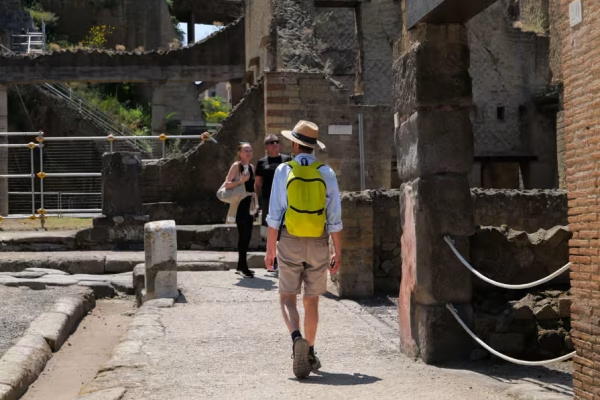
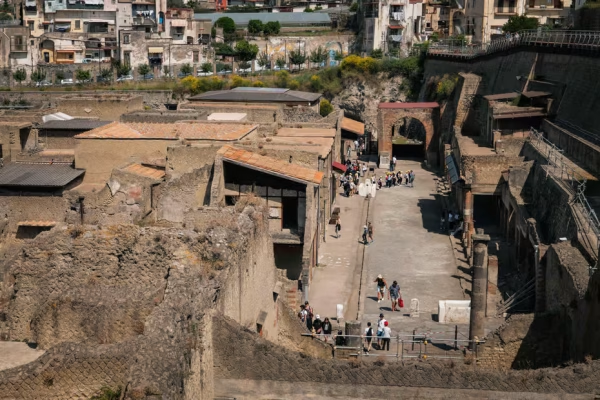
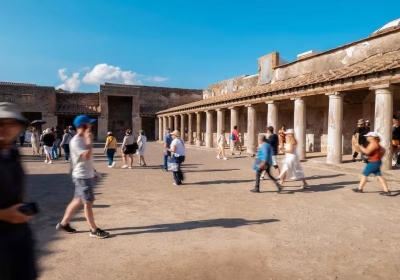
Time stopped in 79 AD Just outside Naples lies a place where time didn't pass — it stopped. In 79 AD, the eruption of Mount Vesuvius buried Herculaneum under a river of scorching mud and ash, and that very disaster is what preserved it. Unlike Pompeii, which was struck by falling lapilli, Herculaneum was engulfed by a pyroclastic flow that sealed in wood, fabric, food, and even upper floors: a unique snapshot of Roman life frozen in place. Walking its basalt-paved streets means stepping into the homes of the people who actually lived there: carbonized wooden beds still in place, mosaics with their colors intact, taverns with amphorae set into the counters, baths decorated as if it were still day one. The House of the Deer, the House of the Mosaic Atrium, and the House of the Bicentenary all tell the story of the everyday luxury enjoyed in a small, prosperous seaside town. What to see The archaeological site can be visited in a couple of hours, but it rewards a slower pace. Highlights not to miss include the Ancient Boathouses, storage arches by the sea where hundreds of skeletons were found — people who sought shelter from the eruption, making this one of the most moving spots in the entire excavation; the Samnite House, with its noble Hellenistic-style atrium; and the Suburban Baths, among the best-preserved thermal complexes of the ancient Roman world. Just a few minutes from the site, the MAV – Virtual Archaeological Museum offers digital reconstructions of the city before the catastrophe, ideal for families and anyone wanting to truly understand what happened on that October day nearly two thousand years ago. For those wanting to go further, Mount Vesuvius itself is a short distance away: a hike to the crater rewards visitors with sweeping views over the Gulf of Naples and Capri, closing the loop between the volcano and the city it both destroyed and preserved. Why choose it Herculaneum is the ideal destination for travelers seeking archaeology without Pompeii's crowds: the excavations are more compact, easy to explore at a relaxed pace, and offer an intimacy with the past that's hard to find elsewhere. It's a perfect half-day stop to pair with Naples, Pompeii, or the Amalfi Coast, and works well both for history enthusiasts and for families with children, thanks to its short routes and multimedia content. Practical information The excavations are easily reached by train from the Ercolano Scavi station (Circumvesuviana line, Naples–Sorrento), just 15-20 minutes from central Naples. An early morning visit is recommended to avoid the summer heat and enjoy the site in relative peace. Comfortable clothing and shoes suited to walking on ancient paving are essential. Discover our tours to Herculaneum and experience history suspended in time, up close.